How to Protect Your Investment When Buying Property in Cyprus

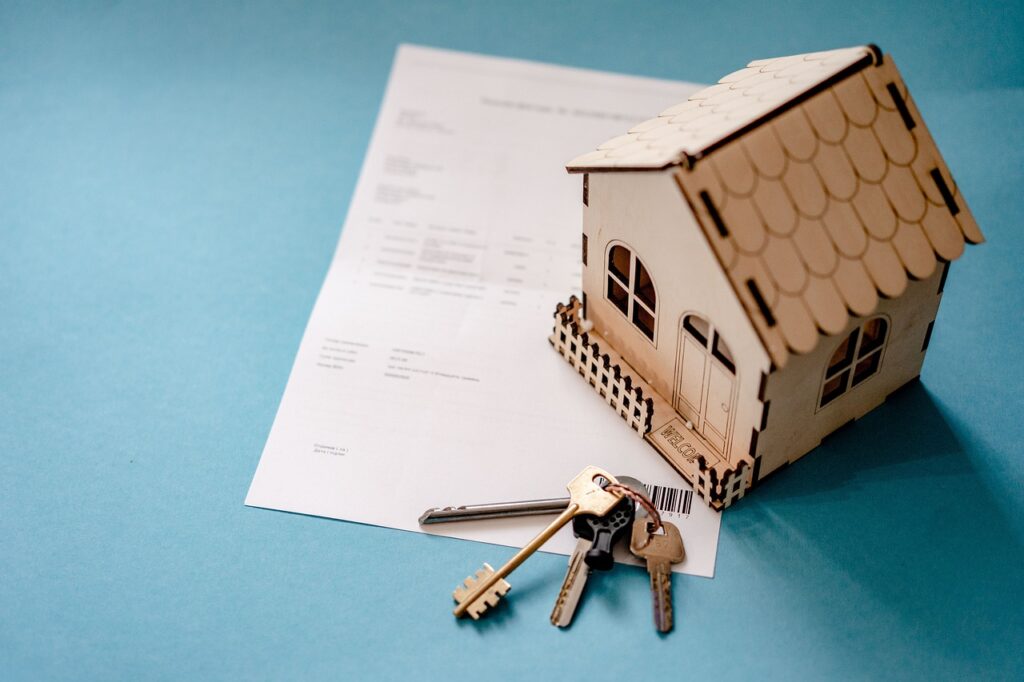
Investing in Cypriot real estate is attractive: the economy is stable, demand is high, and rules are clear. Yet even on this market, there are legal pitfalls and construction flaws that can wipe out potential profits.

Experience shows: the more appealing the offer, the more carefully it must be checked. That’s why investors turn to Hinode, a company that combines engineering expertise with legal analysis, inspecting properties before the deal so the buyer knows exactly what they pay for and can trust every euro of their investment.

Why Investors Need an Independent Inspection

Standard checks offered by the developer are often formalities: contracts signed, walls erected — so everything must be fine. But for investors, this is not enough.

An independent inspection shows the whole picture:

  • Does the project comply with permits?
  • Are there any restrictions on the land?
  • What is the actual readiness of the building?
  • What materials were used in construction?

This is especially important for foreign buyers who cannot personally oversee the process. Hinode acts as the client’s trusted representative, checking both technical condition and legal integrity.

What the Property Inspection Includes

  1. Visual and Instrumental Examination
    • Engineers assess finishing quality, wall alignment, window and door installation, and operation of water supply, electricity, and ventilation systems.
    • Professional tools like moisture meters, laser levels, thermal cameras detect defects invisible to the eye — cracks under plaster, leaks, or insulation issues.
  2. Legal and Document Check
    • Hinode lawyers analyze:
      • Building permits
      • Project plans
      • Title Deeds
      • Sale contracts
    • They ensure the property matches the project and is free from mortgages, liens, or legal disputes.

How the Report for the Buyer is Formed

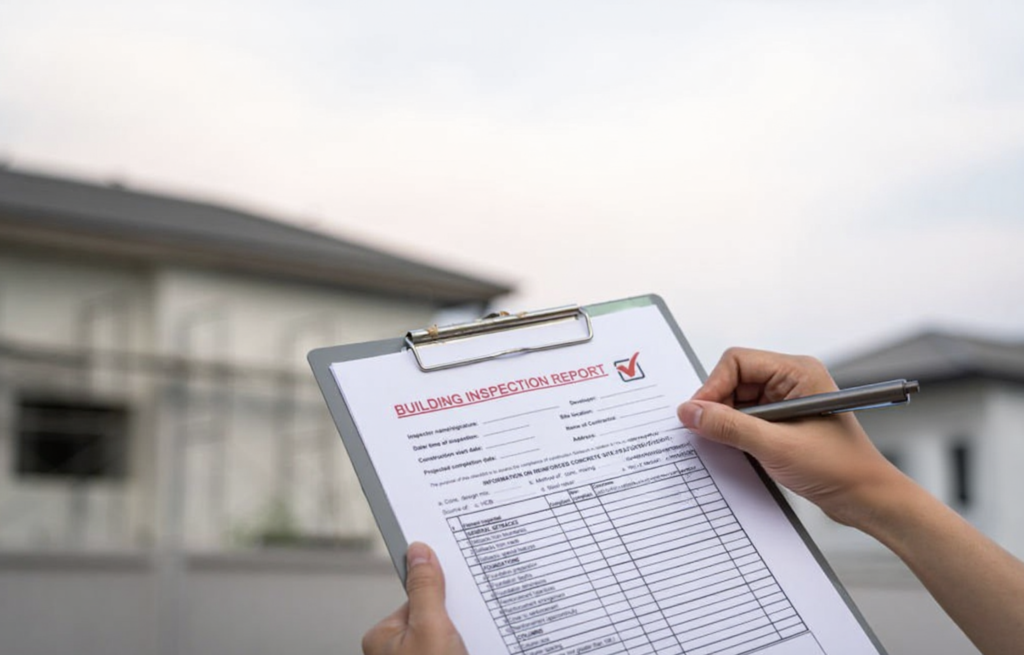
After inspection, the client receives a detailed snagging report with:

  • All identified defects, causes, and consequences
  • Photos of problem areas
  • Recommendations for repair or correction

If legal risks are found, a separate legal opinion is provided with guidance on:

  • Contract clauses to amend
  • Documents to request from the developer
  • Whether to negotiate the price

Benefits of Working with Hinode

Hinode works only for the client, ensuring complete transparency. Inspection results are independent and factual, based on measurements and technical evaluation.

Key advantages:

  • Protection from overpayment and poor construction
  • Legal certainty in the transaction
  • Saving time and budget on post-purchase corrections

For international clients, remote support is available: photo and video reports, regular updates, and monitoring of defect corrections.

How the Expertise Helps in Disputes

Even with a reliable developer, disagreements may occur. The Hinode report acts as an official document for negotiations or court, confirming the actual property condition and documenting developer violations.

Having such proof speeds up dispute resolution and enables the buyer to demand repairs or compensation from the developer.

Why Even New Property Needs an Inspection Before Purchase

Every year, hundreds of new residential complexes appear in Cyprus, boasting impressive facades, spacious terraces, and promises of “European quality.” Developers claim that new buildings don’t need inspections: everything is built to standards, everything is new, so it must be reliable.

But Hinode experts know the reality: even freshly completed homes can hide dozens of defects. These are not just minor scratches or uneven tiles — these are issues that over time can turn into serious financial losses for the owner. An inspection before purchase is not a formality — it’s a necessary step to protect your capital and peace of mind.

Why New Buildings Are Far from Perfect

Modern developers in Cyprus work under high competition and tight deadlines. Rushed projects, subcontractors without proper oversight, and cost-saving on supervision often result in properties being handed over “on time” but not up to quality standards.

Contractors may rush finishing works, ignoring technological pauses: plaster applied to damp walls, tiles laid without leveling the base, insulation materials chosen cheaply. As a result, the buyer sees a beautiful picture that may start cracking or leaking within months.

Hinode engineers regularly document cases where properties costing €300,000 or more have:

  • Improper ventilation
  • Outlets wired with reversed polarity
  • Weak water pressure
  • Defective plumbing connections
  • Overloaded electrical circuits
  • Poor sound insulation

Typical Hidden Problems in New Buildings

Common defects include:

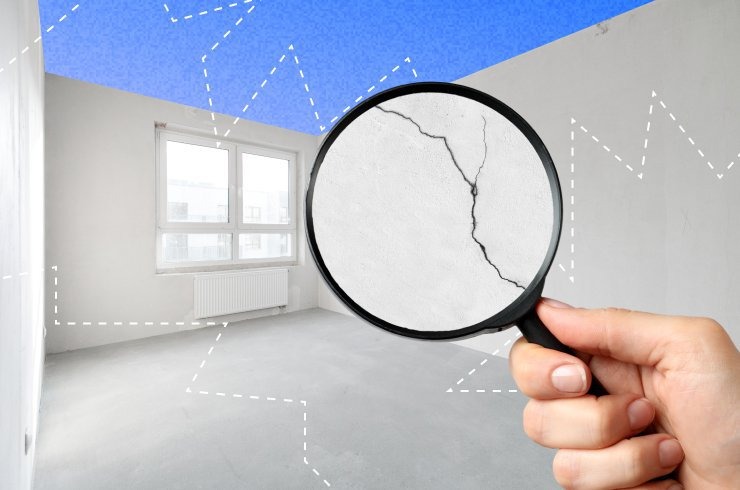
  • Cracks in walls and ceilings
  • Misaligned door frames
  • Uneven floors
  • Gaps in window frames

Many problems are hidden below the surface: weak water pressure, faulty plumbing joints, overloaded electrical lines, poor soundproofing. Conditionally installed air conditioners without drainage can eventually damage walls.

For the buyer, these “small issues” turn into unexpected expenses, from repairs to legal disputes with the developer. That’s why a technical inspection before purchase is a tool for protection, not a luxury.

How Independent Expertise Reveals Defects

Hinode conducts a comprehensive inspection:

  • Visual examination
  • Measurements of geometry and surfaces
  • Verification of engineering systems
  • Document checks

Professional tools used include: moisture meters, laser levels, thermal cameras, and leak detectors.

Every defect is recorded in a snagging report with photos, comments, and recommendations for correction. If the property does not meet the project or building standards, the client is informed before signing the certificate, allowing them to:

  • Request repairs at the developer’s expense
  • Negotiate the purchase price

Why Even “Premium” Developers Cut Corners

It’s a misconception that only budget complexes have problems. Even elite projects in Cyprus often substitute materials:

  • Cheap plumbing instead of German fixtures
  • Poor screed hidden under expensive parquet

The reason is simple: the developer’s responsibility ends at handover, and fixing defects after the sale is not a priority. That’s why Hinode experts always recommend an independent inspection, even in the premium segment. The higher the property price, the more expensive the mistakes.

Hinode helps investors and buyers in Cyprus take possession of property without risks — checking construction quality, finishes, engineering systems, and documents. A new building may be “new,” but only an expert inspection confirms if it’s truly flawless.

How the Property Handover Process Works: From First Call to Signing the Certificate

At first glance, buying property in Cyprus seems simple: sign the contract, pay, get the keys. But behind these steps lies a crucial stage that determines the safety of the transaction and the comfort of future ownership — the property handover. This is not a formality but a full inspection process, where Hinode engineers and lawyers act as independent experts, evaluating the technical condition of the building, checking documentation, and ensuring all defects are addressed before the certificate is signed.

Request and Scheduling the Inspection

The process begins when the client contacts Hinode. After a brief consultation, specialists clarify the type of property — apartment, villa, or commercial space — and propose a convenient inspection date.

For clients abroad, the process can be organized remotely, with the team gaining access to the property through the developer or a trusted representative.

At this stage, a technical assignment and a checklist are prepared. For residential properties, the focus is on finishes and utilities, while for commercial spaces, emphasis is on ventilation, fire safety, and compliance with the approved project.

On-Site Inspection by an Engineer

On the scheduled day, a Hinode engineer conducts a detailed inspection of the property, checking:

  • Walls, floors, windows, and doors
  • Plumbing and electrical systems
  • Ventilation and air conditioning
  • Everything that affects safety and quality

Professional tools such as laser levels, moisture meters, thermal cameras, and leak detectors are used to detect not only visible but also hidden defects — for example, misalignments, cracks, or insulation failures. The engineer documents each observation, photographs problem areas, and notes comments for the report.

Photo Report and Snagging List

After the inspection, the client receives a detailed snagging report — a photo report describing all defects and recommendations for their correction. Each issue is classified, its scale assessed, and potential consequences noted. For example:

  • Minor cosmetic defects may be fixed in a day
  • Waterproofing issues may require roof repairs

The main advantage of this report is transparency: the client knows exactly what they are paying for, and the developer receives an official document confirming the need for corrections.

Monitoring Developer Corrections

Hinode continues to support the client by tracking how the developer fixes the identified defects, comparing completed work with the initial report, and re-inspecting problem areas.

For clients not in Cyprus, updated photos and comments are provided so the client can see the real progress. This control is especially important for high-value properties, where one poor-quality correction can lead to additional costs after moving in.

Final Handover and Closing the Deal

Once all defects are corrected, the Hinode engineer conducts a final inspection. If the property meets the standards and project specifications, a handover certificate is prepared, listing all corrected defects. This document is signed by both parties and serves as legal confirmation that the property is ready for transfer.

The client receives not just the keys but a guarantee that the house or office meets the promised specifications and is safe for use.

Hinode turns property handovers in Cyprus into a transparent and controlled process. From the first call to signing the certificate, every step ensures that your property is inspected, documents are in order, and your investment is protected.

What Is Included in a Professional Property Inspection by Hinode

Buying property in Cyprus is a serious investment, and even a new home doesn’t guarantee perfect quality. Mistakes in finishes, engineering systems, or documentation can cost owners thousands of euros.

A professional inspection by Hinode identifies all defects before signing the handover certificate. The inspection covers not only a visual assessment but also a thorough technical, engineering, and legal review, ensuring the property fully matches the promised specifications.

Visual and Instrumental Inspection

The first stage is a detailed examination of the premises. Hinode engineers assess:

  • Quality of finishing work;
  • Wall geometry and floor levelness;
  • Door and window installation;
  • Sealing of joints and gaps.

Professional measuring tools are used, including laser levels, moisture meters, and thermal cameras, to detect hidden defects such as uneven surfaces, voids under tiles, high-humidity areas, and insulation problems.

Special attention is given to the facade, roof, and surrounding area: waterproofing quality, drainage, and the condition of balconies and stair railings are checked.

Inspection of Engineering Networks and Utilities

The next stage is a diagnostic check of all engineering systems:

  • Electrical wiring, lighting, grounding, sockets, and circuit breakers;
  • Water supply, heating, air conditioning, and ventilation systems: pressure, joint tightness, air temperature, and airflow uniformity.

Many of the costliest defects are found at this stage—misrouted cables, missing backflow valves, or incorrectly sized equipment. Hinode engineers record every discrepancy and provide recommendations for correction.

Inspection also includes a documentary check. Hinode lawyers analyze:

  • Construction permits and approvals;
  • Title Deeds;
  • Communication plans;
  • Compliance with the approved project and municipal requirements.

This ensures the property is legally sound and built according to standards, preventing situations where the house was constructed without all necessary permits. For properties not yet commissioned, experts advise on the documentation needed before registering ownership to avoid issues with banks or government authorities.

Snagging Report and Photo Documentation

After the inspection, Hinode prepares a detailed snagging report listing all detected defects, their consequences, and recommendations. Each item is supported with photos and engineer comments. Where necessary, approximate repair costs are included to help negotiate with the developer or adjust the purchase price.

The report is structured clearly—from general remarks to specific elements: floors, walls, plumbing, electrical systems, windows, facade, and roof.

Final Handover Document

The last stage is preparing the handover certificate with a list of defects (snagging list), signed by both parties. This legally binding document establishes the developer’s obligations to correct the defects within a set timeframe. A re-inspection is performed after repairs to confirm the property is in proper condition.

This approach guarantees that the buyer receives a property without hidden problems and can safely complete the transaction.

Hinode ensures full transparency throughout the inspection process—from technical checks to legal analysis—protecting clients’ interests and making property purchases in Cyprus secure at every step.

Dishonest Developers in Cyprus: How to Spot Scams Before Signing a Contract

The Cypriot real estate market is growing rapidly, attracting foreign investors with stability and high housing demand. However, alongside reliable developers, some companies exploit buyers’ trust for their own gain. Behind attractive visualizations and promises of “premium quality” often lie violations, fictitious guarantees, and inflated property specifications.

Hinode experts help identify these risks before signing a contract by checking documents, analyzing the project, and performing technical inspections, ensuring clients invest only in truly reliable properties.

Most Common Scams

Unscrupulous developers often use deception to speed up sales and increase profits.

One common scheme is selling property without a complete set of permits. Buyers are shown appealing drawings and models, but the property may be on land not approved for residential construction. After payment, it may turn out that the building cannot be legally occupied or obtain Title Deeds.

Some companies deliberately hide mortgages or ongoing legal disputes related to the project. Promised amenities like pools, parking, or recreational areas sometimes exist only in marketing brochures.

Checking for these risks before the deal is the only way to protect your capital. Hinode performs full legal and technical due diligence, uncovering discrepancies during the negotiation phase.

Inflated Measurements and Fictitious Guarantees

A frequent violation is intentional overstatement of property size. Marketing materials may include staircases, technical rooms, or balconies that are not part of the livable area. Buyers end up paying for “extra” square meters not reflected in official documents.

Another tactic is offering fictitious guarantees. Contracts may promise “one year of service” without specifying what the developer is obliged to fix. These promises often have no legal force.

Hinode lawyers review every contract clause, ensuring specific guarantees are included, with timelines for defect correction and developer responsibility clearly defined.

Use of Low-Quality or Cheap Materials

Even in new developments, developers sometimes use materials that do not match the stated class of the property. Certified components may be replaced with cheaper alternatives, saving on reinforcement, insulation, and finishes.

The apartment may appear perfect initially, but cracks, leaks, and electrical issues often appear within months. Repairing such defects can cost thousands of euros.

Hinode engineers conduct a technical snagging inspection, checking material compliance with project documentation, installation quality, and safety of engineering systems. Clients receive a report with photos and recommendations for rectifying violations.

How to Legally Verify a Developer

Before signing a contract, ensure the developer has the legal right to build and sell the property. Checks should include:

  • Valid licenses and permits;
  • No mortgages, seizures, or legal restrictions on the land;
  • Project compliance with approved municipal plans;
  • Analysis of the company’s previous projects and client reviews.

Hinode’s legal team conducts full developer due diligence, reviewing history, financial statements, and contractor reputation. Investors receive a complete risk assessment and guidance on how to safely structure the purchase.

Top 10 Defects to Watch for When Inspecting Commercial Property in Cyprus

Commercial real estate in Cyprus is a lucrative asset: demand for offices and retail spaces is steadily growing, and new developments promise modern standards. However, even in premium buildings, construction errors are widespread.

Hinode engineers regularly document defects that can cost businesses money—from poor ventilation to fire safety violations. Without a professional inspection, both investors and tenants risk paying for corrections themselves after signing the handover certificate.

Engineering System Errors

The most expensive defects are often in the building’s engineering systems. New business centers frequently have miscalculated electrical loads, missing backup power, or inadequate grounding.

In water supply and heating systems, common issues include leaky connections, reverse pipe slopes, and unstable pressure. These problems can disrupt equipment operation and lead to emergencies.

Inspection of engineering systems is a key stage of Hinode checks. Specialists test electricity, plumbing, fire sensors, and lighting to ensure the premises are safe and ready for use.

Non-Compliance with Project and Safety Standards

Another frequent issue is deviation from approved designs. Placement of partitions, exits, ventilation shafts, or fire safety systems is often incorrect. Even minor deviations can result in fines or refusal of the occupancy certificate.

Hinode verifies that construction solutions meet safety standards and local regulations, including Fire Safety Regulations and the Building Code of Cyprus. Any violations are documented in a technical report with recommendations for correction before handover.

Finishing and Soundproofing Defects

Finishing quality directly affects commercial property usability. Offices and retail spaces often show uneven floors, plaster defects, poorly installed ceiling panels, or inadequate sealing of joints.

Sound insulation is particularly important. Errors in partition installation or acoustic materials allow noise to penetrate neighboring areas, impacting working conditions.

Hinode engineers record even minor defects—from uneven lighting to floor slope deviations—which is crucial for high-traffic retail areas.

HVAC Inspection

Heating, ventilation, and air conditioning systems (HVAC) are among the most complex technical installations. Errors may not be immediately visible but can cause overheating, unpleasant odors, or uneven air distribution within months.

Hinode specialists measure air pressure, test filters and controls, and verify that system capacity matches room specifications. Early detection prevents costly retrofits, which in commercial buildings can reach tens of thousands of euros.

Why Even New Properties Need Inspection

Many investors mistakenly believe buying space in a new complex eliminates risks. In reality, rushed handovers, lack of oversight, and subcontracting lead to systemic defects.

Professional inspection ensures the property meets promised specifications and safety requirements.

Hinode performs independent evaluations before handover—checking engineering networks, finishes, HVAC, documentation, and compliance with the project. Clients receive a detailed snagging list with photos, recommendations, and cost estimates for defect correction.

How to Avoid Losing Money When Investing in Property in Cyprus

Investing in property in Cyprus is an attractive opportunity: warm climate, stable economy, European jurisdiction, and high rental demand. However, beneath the apparent simplicity of transactions lie risks that sellers and agents rarely disclose.

Many investors make typical mistakes—trusting developers’ verbal promises, skipping technical inspections, or signing contracts without legal review. Losses can reach tens of thousands of euros. Hinode specialists encounter such cases daily and help clients avoid unnecessary costs by checking both the property and its documents before purchase.

Main Risks When Investing in Cyprus

The biggest problem for most investors is hastiness. Decisions are often driven by emotion rather than analysis. Delays in project delivery, use of cheap materials, or construction without proper permits are not uncommon.

Legal aspects deserve special attention. Some plots may be mortgaged, under disputed ownership, or subject to construction restrictions. Without proper due diligence—a full check of legal status—investors risk putting money into problematic properties.

Not all developers honor guarantees. Without clearly stated penalties and obligations in the contract, buyers have no protection tools.

Document and Title Deed Issues

Some properties in Cyprus still lack Title Deeds—the official document proving ownership. Until this is issued, the developer legally owns the property. In case of bankruptcy, the buyer could lose control of the asset.

It’s also essential to ensure that the sales contract is registered with the Land Department. Without registration, ownership rights are not legally enforceable. Common mistakes include contracts missing delivery deadlines, quality guarantees, or deposit refund terms.

Hidden Property Defects

Even new villas or business-class apartments may hide dozens of defects—from structural cracks to faulty electrical systems or poor waterproofing. These issues often appear after occupancy and require significant repair costs.

Visual inspections alone are insufficient. Only a technical snagging inspection by engineers provides a complete assessment of the property.

Hinode prepares a detailed snagging list—including photos, descriptions, and recommendations for repair. This document helps investors request fixes from the developer or negotiate the property price.

How Professional Inspection Can Save Up to 20% of Your Budget

Pre-purchase inspections are not an unnecessary expense—they are a way to save money. According to Hinode statistics, defects are found in 7 out of 10 properties, and addressing them can save investors up to 20% of their budget.

Engineers monitor construction quality and compliance with technical standards, while lawyers review contracts and permits. For foreign investors unable to be in Cyprus personally, Hinode acts on their behalf, documents every inspection stage, and delivers a comprehensive report.

Hinode helps investors acquire property in Cyprus without hidden risks, ensuring legal security and technical precision in every detail.

Top 5 Defects to Watch for When Inspecting Residential Property in Cyprus

Buying a new home in Cyprus often feels like a guarantee of quality—modern complexes, stylish finishes, and developers’ bold promises. Yet even in premium projects, Hinode engineers regularly find dozens of hidden defects. Developers often rush to hand over properties, lowering quality control, which leaves buyers with apartments that carry future expenses.

Hidden Cracks and Finishing Defects

The most frequent problems include cracks on walls and ceilings, uneven surfaces, and poor-quality plastering and painting. Sometimes everything looks perfect at first glance, but a detailed inspection reveals improper plaster application or missing reinforcing mesh. Over a few months, micro-cracks appear and gradually widen. Moisture penetrates, compromising insulation and leading to mold.

Hinode engineers use laser levels and moisture meters to detect hidden defects and include them in a snagging list—an official record of defects presented to the developer before signing the handover certificate.

Poor-Quality Windows and Doors—What It Means

Cyprus’ sunny climate and high humidity make proper installation of windows and doors crucial. Hinode inspections often uncover misaligned frames, poor sealing, and inadequate soundproofing. Improperly filled joints or missing seals can result in drafts and condensation within months, damaging the window sills.

Additionally, doors are frequently misaligned, don’t close properly, or have incorrectly installed hinges. All of this reduces energy efficiency and leads to repair costs in the first year of occupancy.

Electrical and Plumbing Issues—Hidden Safety Risks

Even in new complexes, errors in electrical and plumbing systems are common. Typical violations include incorrectly wired sockets, weak grounding, overloaded circuits, and leaky pipe connections. Developers sometimes cut costs on cables and fittings, which can result in short circuits or flooding.

Inspecting these systems requires specialized tools such as testers, moisture detectors, and thermal cameras. Hinode specialists perform full diagnostics and document any deviations from the project, allowing buyers to request corrections before making the final payment.

What to Do If Defects Are Found

If defects are discovered after signing the handover certificate, it’s important to act quickly. Cyprus has a warranty period, during which the developer must fix identified issues. However, without documented evidence, getting repairs done can be difficult.

Hinode experts help clients prepare an official report with photos and detailed descriptions of problems. This document can be used in negotiations with the developer or, if necessary, in court. In some cases, specialists can estimate repair costs and help produce an independent budget for reimbursement.

Why It’s Crucial to Document All Defects in the Handover Certificate

The main rule during handover: do not sign until all defects are documented and resolved.

The handover certificate is a legal point in the relationship with the developer. If issues are not recorded, proving their existence later is nearly impossible.

Hinode guides clients through every stage—from initial inspection to final signing. All defects are recorded in the snagging list, providing the developer with a clear list of required corrective works.

Investment Guide: Rental Yield Analysis in Limassol and Paphos in 2026

In 2026, rental property markets in Limassol and Paphos are likely to remain stable or show slight growth. Cyprus continues to attract investors thanks to tourism and favorable tax policies, both of which sustain demand in the rental sector. However, it’s important to understand the differences between the cities. Rental yields in Paphos are generally more accessible per square meter compared to Limassol. Limassol, on the other hand, is traditionally more expensive and can generate higher rental income. Still, the final outcome always depends on the specific property—its location, condition, and many other factors. Therefore, it is strongly recommended to approach analysis carefully and evaluate each project individually to avoid unexpected rental returns.

Rental Yield Factors

Key factors that truly affect rental yield:

First, demand. This hardly needs discussion—both Limassol and Paphos consistently attract tenants: tourists, expats, and business travelers. Properties rarely stay vacant.

Next, pricing. Real estate in Limassol is significantly more expensive than in Paphos. Naturally, the investment there is heavier, which directly impacts yield calculations. Careful financial planning is essential.

As for taxes, Cyprus is known for its investor-friendly environment. There are tax incentives that, when used wisely, can increase overall returns.

Infrastructure also plays an important role. Both cities are gradually developing—new projects, services, and roads are constantly being added. This increases attractiveness for tenants and supports strong rental rates.

Overall, all these factors significantly influence final returns. It’s important to evaluate the full picture; otherwise, actual profits may differ from expectations.

Limassol Specifics

Limassol is a high-end market. Almost everything here—from property prices to daily living costs—is noticeably higher. It has long been a hub for affluent expats and tourists who actively invest in the local market.

From an investment perspective, opportunities are strong due to consistently high rental demand. However, entering this market requires substantial upfront capital. While potential returns can justify the investment, it’s not a market for quick or easy entry.

Paphos Specifics

In Paphos, affordability is a key advantage. Property prices are significantly lower than in larger Cypriot cities, making it attractive for investors with more limited budgets.

The city remains popular among tourists, especially during high season, which boosts rental liquidity. Rental yields are generally comparable to other regions, although they depend heavily on location and property type. With a well-chosen property, investors can expect solid returns.

Recommendations

Key recommendations for investors:

First, always analyze the specific property. Don’t rely solely on photos or agency descriptions. Verify the location, condition, and check for any hidden issues related to documentation or infrastructure.

Second, account for all expenses. This includes not only the purchase price but also taxes, utilities, maintenance, and potential renovation costs. Smaller expenses can significantly reduce overall profitability if overlooked.

Finally, don’t limit yourself to one region. Compare investments in Limassol, Paphos, and other Cypriot cities. Real profitability often differs from glossy presentations, and a thorough comparative analysis will help you make a practical and profitable business decision.

Apartment Handover in Cyprus: Finished vs. Shell & Core — What’s the Difference for Buyers?

When receiving an apartment in Cyprus — whether finished or in shell & core format — it is critically important to conduct a thorough inspection of the property. You need to verify that the materials match the quality specified in the contract, that there are no defects or damage, and that all engineering systems — plumbing, electrical, ventilation — are functioning correctly. For the handover of an unfinished apartment in Cyprus, special attention should be paid to the integrity of walls, floors, ceilings, as well as window and door openings, and you must not forget to check for the presence of sewage risers. Everything must strictly correspond to the agreed terms — otherwise you risk facing unexpected costs and delays down the line.

The Apartment Handover Process in Cyprus

It is recommended to approach the handover of an unfinished apartment in a thoroughly considered and professional manner. Here is what you need to check in order to avoid unpleasant surprises after purchase:

Documentation

Carefully review the purchase agreement and all accompanying project documentation. Compare the stated square footage, layout, and views from the windows — everything must match your expectations and the official materials.

Unfinished Apartment (“Shell & Core / Rough Finish”)

  • Walls, floors, and ceilings — Check for evenness, absence of cracks, chips, and voids. There should be no defects whatsoever; everything must comply with construction standards.
  • Window and door openings — Pay attention to the quality of installation, integrity of frames, and the absence of damage to glazing and reveals.
  • Engineering systems — Make sure all sewage and water supply risers are in place, that pipes are securely fixed, and that there are no leaks.
  • Ventilation — Check for the presence and condition of exhaust systems in the kitchen and bathroom. Air must circulate freely.

Finished Apartment (“Turnkey / Move-in Ready”)

  • Finishing work — Carefully assess the laying of tiles and laminate, the quality of plastering and wall painting. Everything must be done neatly, with no visible defects.
  • Plumbing and electrical — Test all sockets, switches, and lighting fixtures for functionality. Ensure that all plumbing connections are fully sealed and watertight.
  • Ceilings and walls — There should be no stains, streaks, or signs of poor-quality wallpapering or painting.

Quality of Construction Work

Pay particular attention to the standard of construction and installation work overall. All elements must be installed correctly, without misalignments, gaps, or obvious construction flaws.

A thorough check of all these points will help reduce risks and avoid additional costs in the future, and will ensure your transaction proceeds in the most transparent and secure way possible.

Key Points to Keep in Mind

  • Carefully compare the condition of the apartment against the terms set out in the purchase agreement. Do not accept deviations that were not agreed upon in advance.
  • Hire an independent expert. A specialist will help identify even hidden defects that are difficult to spot on your own.
  • Document all discovered deficiencies in the property handover certificate. This is essential for any subsequent legal guarantees.

get a consultation

Choosing a property in Cyprus or accepting a property from a developer? Our experts will help you to understand all the nuances and provide recommendations on how to interact with. Fill in the form and we will contact you as soon as possible.


    hinode
    Privacy Overview

    This website uses cookies so that we can provide you with the best user experience possible. Cookie information is stored in your browser and performs functions such as recognising you when you return to our website and helping our team to understand which sections of the website you find most interesting and useful.