
Denis Fedosov
Expert in technical supervision and real estate acceptance
Do you live in the EU, the UK, or the US, and are you renovating a property in Cyprus? Learn from a practicing consulting engineer how to protect your investment and get a high-quality result.
How to Avoid Losing Money When Investing in Property in Cyprus
Investing in property in Cyprus is an attractive opportunity: warm climate, stable economy, European jurisdiction, and high rental demand. However, beneath the apparent simplicity of transactions lie risks that sellers and agents rarely disclose.
Many investors make typical mistakes—trusting developers’ verbal promises, skipping technical inspections, or signing contracts without legal review. Losses can reach tens of thousands of euros. Hinode specialists encounter such cases daily and help clients avoid unnecessary costs by checking both the property and its documents before purchase.
Main Risks When Investing in Cyprus
The biggest problem for most investors is hastiness. Decisions are often driven by emotion rather than analysis. Delays in project delivery, use of cheap materials, or construction without proper permits are not uncommon.
Legal aspects deserve special attention. Some plots may be mortgaged, under disputed ownership, or subject to construction restrictions. Without proper due diligence—a full check of legal status—investors risk putting money into problematic properties.
Not all developers honor guarantees. Without clearly stated penalties and obligations in the contract, buyers have no protection tools.
Document and Title Deed Issues
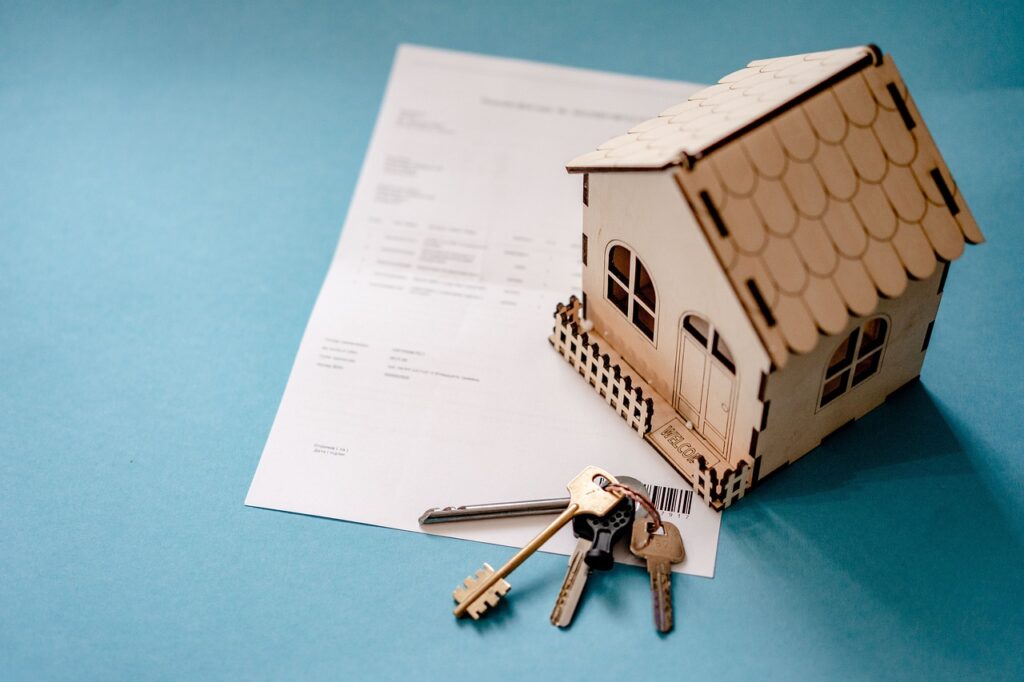
Some properties in Cyprus still lack Title Deeds—the official document proving ownership. Until this is issued, the developer legally owns the property. In case of bankruptcy, the buyer could lose control of the asset.
It’s also essential to ensure that the sales contract is registered with the Land Department. Without registration, ownership rights are not legally enforceable. Common mistakes include contracts missing delivery deadlines, quality guarantees, or deposit refund terms.
Hidden Property Defects
Even new villas or business-class apartments may hide dozens of defects—from structural cracks to faulty electrical systems or poor waterproofing. These issues often appear after occupancy and require significant repair costs.
Visual inspections alone are insufficient. Only a technical snagging inspection by engineers provides a complete assessment of the property.
Hinode prepares a detailed snagging list—including photos, descriptions, and recommendations for repair. This document helps investors request fixes from the developer or negotiate the property price.

How Professional Inspection Can Save Up to 20% of Your Budget
Pre-purchase inspections are not an unnecessary expense—they are a way to save money. According to Hinode statistics, defects are found in 7 out of 10 properties, and addressing them can save investors up to 20% of their budget.
Engineers monitor construction quality and compliance with technical standards, while lawyers review contracts and permits. For foreign investors unable to be in Cyprus personally, Hinode acts on their behalf, documents every inspection stage, and delivers a comprehensive report.
Hinode helps investors acquire property in Cyprus without hidden risks, ensuring legal security and technical precision in every detail.
How to protect yourself from dishonest developers and complete the purchase correctly—advice from Hinode experts.
featured
-
1What differentiates the handover of residential and commercial properties
The property handover process in Cyprus requires an understanding of how the property will be used. In residential apartments, the priority is occupant comfort and health, while in commercial buildings, economic efficiency and system reliability come first. Any deviations in the building’s thermal profile, if unnoticed, can lead to significant future expenses for the owner. […]
-
2How to know during inspection whether mold will appear
The visual cleanliness of walls during a property inspection can be misleading, especially if a cosmetic renovation was done before the sale. Mold is not just an aesthetic issue—it results from serious engineering mistakes that can remain hidden under paint for years. For investors in Cyprus, it is critical to detect biological threats at the […]
-
3Practical examples: What to check during the handover of a residential property
The handover of a property is the final stage of a transaction, where the buyer confirms that the asset is ready for use. In the Cypriot market, where aesthetics often take priority over technical quality, a superficial inspection cannot reveal critical risks. An expert audit should cover not only visible finishing elements but also hidden […]
-
4Practical Examples: What to Check When Accepting Commercial Property
Purchasing commercial real estate is an investment whose profitability directly depends on future operating costs. Unlike residential properties, office buildings and shopping centers in Cyprus are subject to intense эксплуатационные нагрузки. Any flaws in the building’s thermal performance force HVAC systems to operate under strain, increasing electricity costs and accelerating wear on expensive equipment. Key […]
-
5Why Thermal Imaging Is Essential During Property Handover
Accepting a property requires evaluating not only visible finishes but also hidden structural characteristics. Issues with insulation, installation errors in engineering systems, and energy leaks are often impossible to detect without specialized equipment. Thermal imaging diagnostics make it possible to identify such defects at an early stage and prevent future operational problems. What a Thermal […]