Choosing a Construction Contractor in Cyprus: 7 Key Questions to Ask Before Signing a Contract

If you want to protect yourself when choosing a construction contractor in Cyprus, start by checking reviews on independent platforms—this will give you a realistic picture of the company’s reputation. Make sure the contractor has a valid license and proven experience: how long they’ve been on the market, how many projects they’ve completed, and where those projects are located. To handle legal matters and overcome possible language barriers, it’s best to involve a professional broker and lawyer from the start. This is not where you should cut costs—a sensible approach will save you time, money, and stress.

Key Questions to Ask

1. What do real clients say about the contractor?
Don’t rely solely on official websites. Check forums, professional groups, and social media. The broader your research, the more objective your understanding.

2. How much experience does the contractor have?
Companies with long-standing experience in the Cyprus market are generally more reliable, with lower risks of delays or poor-quality work.

3. Can you review their portfolio?
This is crucial. Request a list of completed projects and verify whether deadlines and contract terms were met. If a contractor avoids specifics, treat it as a red flag.

4. What is the feedback from local clients?
Local insights are invaluable. Reviews from residents and previous clients provide an independent assessment of the contractor’s performance.

5. Does the contractor have proper licenses?
Always confirm that the contractor holds valid licenses in accordance with Cyprus legislation. Request official documentation as proof.

6. Who selected the contractor?
In many cases, developers or property management companies choose contractors based on prior cooperation and reputation. This can serve as an additional layer of reliability.

7. Will you have professional support?
It is highly recommended to involve a broker or lawyer, especially if you are unfamiliar with the Cyprus market and legal framework. This helps avoid legal mistakes and reduces risks.

Additional Recommendations

  • Do not save on professional services. Attempts to cut costs at this stage often lead to higher expenses later.
  • Consider working with a property management company. They usually have a database of trusted contractors and extensive experience working with them, which can significantly streamline the process and reduce risks.

A thorough, step-by-step evaluation is your strongest advantage when selecting a construction contractor in Cyprus.


Buying Property in Cyprus for Israeli Citizens: Hinode’s Step-by-Step Guide for a Smooth Process

Buying property in Cyprus as an Israeli citizen is a multi-step process that requires careful attention. First, you need to obtain permission to purchase property from the Cyprus Ministry of Interior. Next comes selecting the right property—special attention should be paid to the seller’s reputation and the legal status of the property. It is essential to involve an independent lawyer who can verify all documents, eliminate potential risks, and guide the transaction from start to finish.

After agreeing on the terms and signing the contract, you will need to pay all applicable taxes and fees, followed by the registration of ownership in your name. It is also worth noting that purchasing property in Cyprus can serve as a basis for obtaining residency. It is advisable to review the residency requirements in advance to understand your options and avoid unexpected complications.

Key Steps

Obtaining permission
If you are a non-EU citizen (which applies to Israeli buyers), you must first obtain official permission from the Cyprus Ministry of Interior to purchase property. Without this approval, the transaction cannot proceed.

Property search and contract signing
After selecting a suitable property, sign a preliminary agreement with the seller. It is strongly recommended to involve an independent lawyer who will review all documents and represent your interests at every stage.

Transaction process
The transaction should be carried out with legal support to ensure transparency, accuracy, and compliance with all regulations. This minimizes potential legal risks.

Payment of taxes and fees
Be aware of your tax obligations. For example, VAT applies to the purchase of new properties, while different taxes and fees apply to resale properties. It is important to review current requirements in advance.

Registration of ownership
Once all formalities are completed, ownership is registered in your name. Only after this step do you become the official property owner.

Important Notes

Cyprus has a stable and transparent real estate market, with laws that protect foreign buyers. If you are considering purchasing property worth €300,000 or more, this can qualify you for permanent residency. It’s a valuable benefit alongside your investment—especially if you are planning relocation or looking for a reliable asset.

Buying Property in Cyprus for Canadian Citizens: Hinode’s Step-by-Step Guide for a Smooth Process

Buying property in Cyprus as a Canadian citizen is a multi-stage process. It typically involves obtaining purchase approval, finding a suitable property, conducting legal due diligence, and completing the transaction. For larger-scale investments, such a purchase may open the path to permanent residency or even citizenship, although the required investment amounts are significant. It is highly recommended to engage an independent lawyer to protect your interests—especially when considering property in Northern Cyprus, where ownership rights can be complex and require thorough legal verification.

Initial Steps and Obtaining Permission

First, it is essential to understand Cyprus property laws, study the real estate market, evaluate prices, taxes, and potential risks.

For non-EU citizens, including Canadians, official permission from the Council of Ministers of Cyprus is required to purchase property—without it, the transaction cannot proceed.

Special attention should be paid to Northern Cyprus: purchasing property in this region involves legal risks due to possible claims from former owners. Careful document and legal checks are critical for a secure transaction.

Property Search and Due Diligence

Start by defining your goal. Clearly understand why you are buying the property: for personal use, rental income, or investment. This determines your entire strategy.

Next, involve a lawyer. It is extremely difficult to navigate all legal aspects independently. A professional will verify documents and ensure there are no debts, encumbrances, or hidden risks—this is not something to save money on.

If your goal is investment, focus on financial analysis: estimate rental income potential and resale value. Without proper market analysis, it’s easy to make costly mistakes. Make decisions based on data, not impulse.

Sale and purchase agreement:
Sign a contract with the seller and make an initial payment—this is a standard and necessary step.

Taxes:
When purchasing a new property, VAT applies. Upon resale, a 0.4% levy may be charged. These obligations must be fulfilled to complete the transaction.

Ownership registration:
Once all contract terms are met and taxes are paid, you proceed with registering ownership. After this step, the property officially becomes yours.

Immigration Opportunities in Cyprus

Permanent Residency (PR):
Purchasing residential or commercial property worth €300,000 or more can qualify you for permanent residency in Cyprus. The process is relatively straightforward.

Citizenship by investment:
By investing from €2 million in real estate, you may become eligible for Cypriot citizenship with full EU rights. After five years, the property can typically be sold without losing your status.

Multiple-entry visa:
Owning property in Cyprus also allows you to apply for a long-term multi-entry visa, enabling stays of up to 180 days per year—ideal for business trips or regular visits.

A structured approach, thorough due diligence, and professional support will help ensure a safe and successful property purchase in Cyprus while maximizing both lifestyle and investment benefits.

Hidden Costs When Buying Property in Cyprus: What Realtors Don’t Tell You

When purchasing property in Cyprus, it’s important to consider not only the price of the property itself but also additional expenses. These include realtor commissions, legal fees, taxes (such as VAT on new properties and stamp duty), as well as notary and legal costs for document verification. Realtors often do not disclose all these expenses and may sometimes represent the developer’s interests rather than the buyer’s. That’s why it is strongly recommended to involve an independent lawyer to protect your interests throughout the entire transaction.

Main Expenses

Legal services:
An independent lawyer in Cyprus is essential—they verify documents, register ownership rights, and protect your interests. These services are paid separately and depend on the complexity of the transaction.

Taxes:

  • VAT: A reduced rate of 5% applies when purchasing a primary residence. VAT does not apply to resale properties.
  • Stamp duty: A one-time government fee paid during the registration process.
  • Property transfer tax: Paid after the property is registered in your name.

Fees and charges:

  • Realtor commission: Typically 1–3% of the property value.
  • Bank fees: If you take out a mortgage, banks charge additional service fees.
  • Notary fees: Notarization of the transaction is paid separately.

Other expenses:
These may include legal support during the transaction and other unforeseen costs that can arise during the purchase process.
If buying on the secondary market, you should also factor in potential renovation and furnishing costs.

Conclusion:
The total cost of a property purchase almost always exceeds the listed price. It’s essential to account for all additional expenses in advance to avoid unpleasant surprises.

What Realtors Don’t Tell You

Conflict of interest:
Realtors often represent the developer’s side, as it can be more выгодно for their business. You shouldn’t assume your interests are always the priority. Hiring an independent lawyer ensures someone is fully on your side.

Dependence on the developer:
When buying in a new development, realtors rarely emphasize potential construction quality issues. Their goal is to close the deal, not to highlight all possible drawbacks.

Hidden fees:
The price may include additional services that clients only discover later. These can include administrative fees, property management services, and other costs not initially disclosed.

Recommendations

  • Engage an independent lawyer to verify documents and protect your interests.
  • Compare offers from different agencies and developers, and always уточняйте potential hidden costs.
  • Carefully review all property documents before signing any agreement to avoid unexpected issues.

A well-informed approach and professional support will help minimize risks and protect your investment.

Case Study: How a Technical Review of a Developer Agreement Saved a Client €25,000

Any agreement with a developer in Cyprus requires careful review. It’s not enough to simply inspect the property—you should also examine the developer’s reputation, financial stability, and the availability of all required licenses and permits. Pay special attention to the contract details: construction timelines, payment schedule, guarantees, and the process of transferring ownership rights. It is highly advisable to involve a local lawyer who specializes in such transactions and understands the local specifics. This is an investment in protecting your interests, not an unnecessary expense.

Reputation check:
Before making a decision, carefully review buyer feedback and explore the developer’s completed projects. Real customer experiences and company history can reveal a lot about reliability.

Legal clearance:
Ensure the property is free from debts, legal disputes, or other risks. This helps avoid unpleasant surprises in the future.

Financial assessment:
It is recommended to analyze the developer’s financial stability. A strong financial position is key to ensuring timely project completion.

Licenses and permits:
Always verify that the developer holds all necessary construction licenses and permits. This is a critical factor for the legality and safety of the transaction.

Sale and Purchase Agreement Analysis

Payment terms and schedule:
Carefully review the payment plan. Pay attention to penalties for delays and refund policies—these are often critical points of contention.

Guarantees:
Clarify what guarantees the developer provides and what is covered by insurance. Do not overlook the details—they can save you from future issues.

Liability of the parties:
Check the developer’s responsibility for delays or poor-quality work, as well as your obligations as a buyer. A clear understanding of these terms helps minimize risks for both sides.

Transfer of ownership:
Clarify the process of transferring ownership rights and the list of required documents after construction is completed. Prepare all paperwork in advance to ensure a smooth and timely process.

Professional Support

Legal assistance:
Entering such transactions without a qualified lawyer experienced in Cyprus real estate is not recommended. Let a specialist thoroughly review your agreement—this will help you avoid hidden issues and protect your interests.

Feedback from other buyers:
Reach out to those who have already purchased property from the developer. Their experience and reviews can help you make a more informed decision and reduce potential risks.

Understanding Title Deeds in Cyprus: A Guide for Foreign Buyers to Avoid Pitfalls

Title deeds in Cyprus are official certificates issued by the Land Registry Department. They confirm ownership of a property and include details about the owner, property characteristics, location, and any encumbrances. Without these documents, you cannot fully dispose of the property—they are the key guarantee of ownership rights. Typically, title deeds are issued at the final stage of a sale transaction, so it is important for the buyer to monitor this process through to completion.

What is a Title Deed?

A Title Deed is the main legal document confirming your ownership of a property—whether it’s an apartment, house, or land plot. It is issued by the state Land Registry Department and serves as official proof that the property legally belongs to you.

What Information Do Title Deeds Contain?

First and foremost, owner details: the full name(s) of the owner(s) and their ownership shares if the property is jointly owned.

Next, property information: the exact address, description, cadastral number, total area, and location on the cadastral map—without these details, the document is not valid.

Also included are legal encumbrances: any mortgages, arrests, liens, or other restrictions that may limit ownership rights.

Finally, the date of issuance, which confirms the document’s validity and is required for any legally significant transactions.

Why Are Title Deeds Important?

Simply put, this document gives you full rights to the property. You can sell it, rent it out, or transfer it by inheritance—everything is legally secured.

In terms of protection, the Title Deed is your strongest argument in any dispute. It proves that the property belongs to you—period.

It’s also worth noting that purchasing property without Title Deeds is possible, but the risks are significantly higher. A transaction with a Title Deed ensures safety and confidence for both parties.

Final Stage of the Purchase Process

Obtaining a Title Deed is the final step in buying property in Cyprus. Without it, you are not considered the full legal owner. Everything before this—contracts, payments, notary procedures—is essentially preparatory.

After the deal is completed, the seller or developer submits the required documents to the Land Registry. The process of issuing a Title Deed in your name can take considerable time—Cyprus is known for its slow bureaucracy, and it may sometimes take years.

Without this document, you do not have full legal control over the property, so this stage should never be overlooked.

Due Diligence When Buying Property in Cyprus: A Complete Checklist for Investors

Before purchasing property in Cyprus, an investor should go through several key verification stages. First, carefully review all documents related to the property: the sale and purchase agreement and title documents—make sure everything is in order. Check information about the land plot: who owns neighboring areas and whether all necessary utilities are connected.

If you are not an EU citizen, you will need to obtain official permission to acquire property in Cyprus—this is an important step not to overlook. Be sure to confirm that the property has no debts, liens, or other encumbrances that could complicate the transaction. And of course, calculate the financial side in advance: include VAT and other mandatory taxes and fees. This approach helps minimize risks and ensures transparency of the deal.

Legal due diligence in Cyprus is not something to take lightly if you want to avoid unpleasant surprises.

Property documents — everything must be properly оформлено: title deeds, sale and purchase agreement, proof of ownership. Carefully review every page.

Land plot — it is important to verify legal ownership, absence of mortgages or debts, availability of utilities, and clear boundaries with neighboring plots.

Non-EU buyers — prepare an application to the Council of Ministers of Cyprus in advance to obtain permission to purchase property. This is a standard procedure without which the transaction cannot be completed.

Encumbrances — check for the absence of tax debts, utility arrears, and other restrictions that may affect the transaction. A “clean” property ensures peace of mind for both buyer and seller.

Financial Review

Taxes — Cyprus offers a reduced VAT rate of 5% for the purchase of new residential property. This is a significant advantage and one of the reasons many buyers choose new developments.

Property valuation — do not rely solely on the seller’s price. Conduct your own market analysis—compare similar properties in the same area. If the price significantly deviates from the average, it’s worth a closer look.

Developer check — if you are buying from a developer, make sure to verify their reputation and experience. Request all supporting documents, including permits for construction and sales.

Land ownership rights — ensure that the developer actually owns the land and has obtained all necessary construction permits. The absence of these documents is a serious risk for the buyer.

Key Considerations

It’s worth noting that buying property in Cyprus is not only about comfort but also a real opportunity to obtain permanent residency with no expiration date. If your goal is investment rather than just a place to live, it’s important to choose a reliable property that will generate income rather than sit idle. A well-balanced, thoughtful approach makes all the difference.

Top 10 Construction Defects We Find in New Properties in Cyprus

Yes, even in Cyprus, newly built properties are not immune to common construction defects. Honestly, issues such as poor thermal insulation (cool in winter, sauna-like in summer), water supply interruptions, drainage problems, wall cracks, and poorly fitted windows and doors are quite common. Electrical systems can also be unreliable—sometimes switches don’t work, or lights flicker. There are often complaints about waterproofing and finishing as well, with work occasionally done in a rush. Heating and air conditioning systems are not always installed properly, which is especially important in Cyprus’s climate.

Overall, when purchasing a new property, it’s essential to carefully check the construction quality to avoid unexpected technical problems later.

Common Defects in New Builds in Cyprus

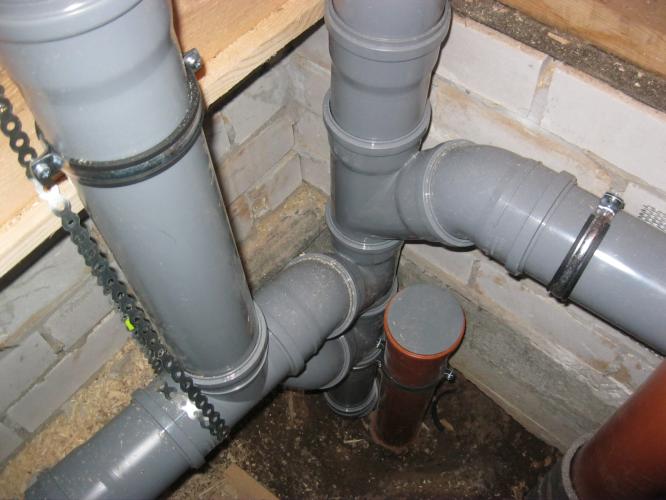
Water supply and drainage are frequent sources of issues. Installation errors, leaks, and incorrect pipe slopes can lead to unexpected repair costs.

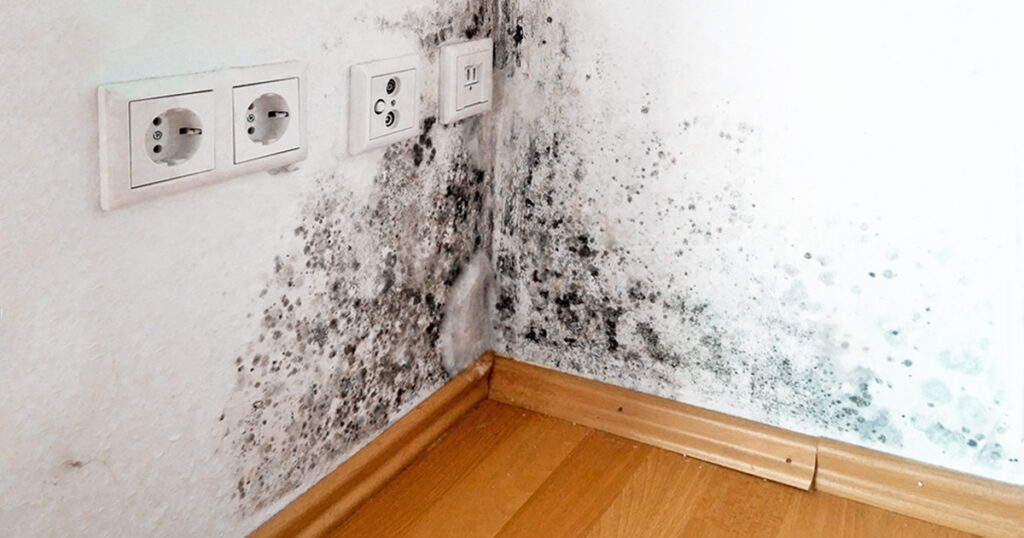
Thermal insulation often leaves much to be desired. This results in heat loss, increased humidity, and a higher risk of mold, negatively affecting both comfort and residents’ health.

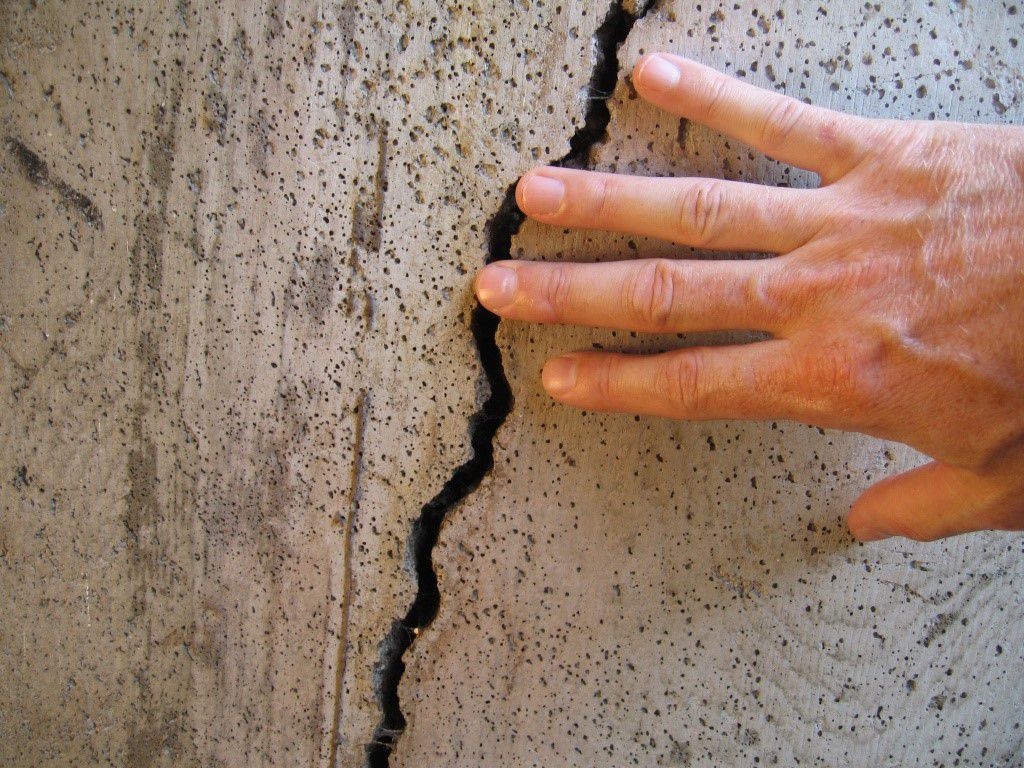
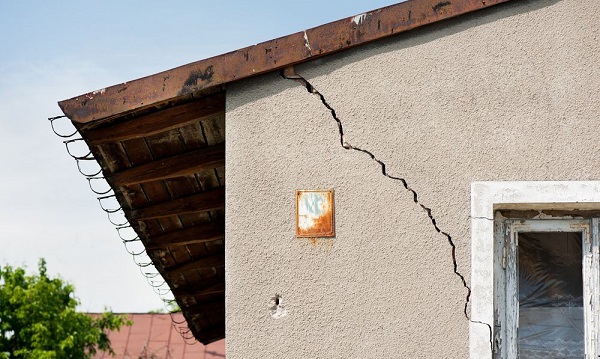
Wall cracks are a common occurrence. They are usually caused by design errors, construction flaws, or natural building settlement.

Windows and doors may have sealing defects, uneven installation, or faulty fittings, reducing energy efficiency and indoor comfort.

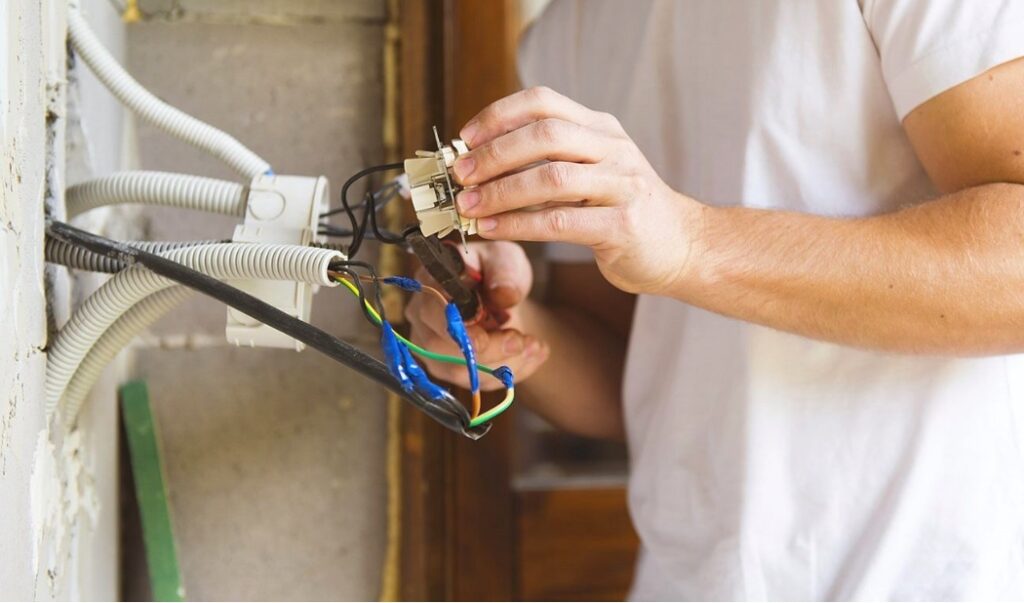
Electrical wiring is sometimes done with violations—low-quality materials, insufficient capacity, or connection errors—which can lead to additional costs and safety risks.

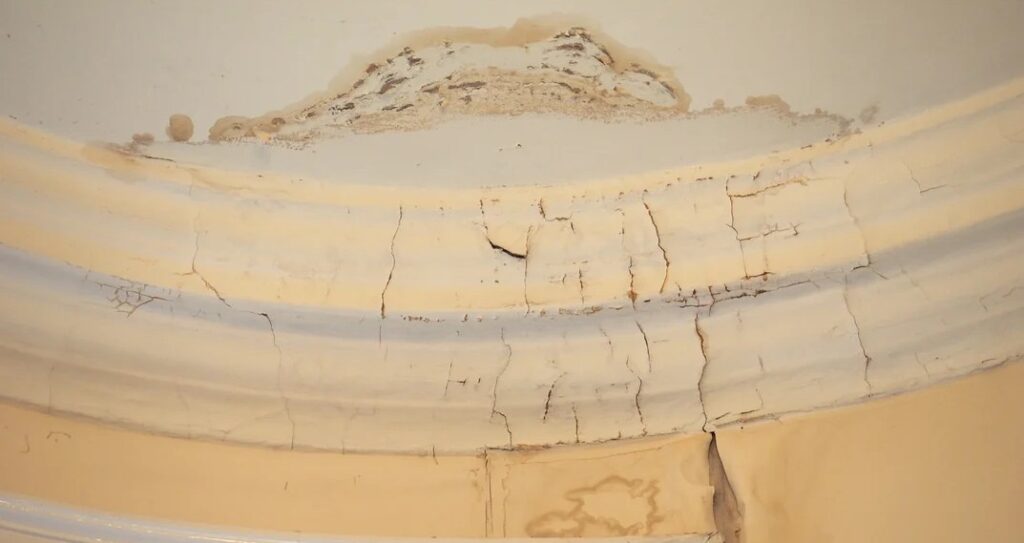
Waterproofing is not always up to standard. Roof, wall, or floor leaks—especially in bathrooms and on balconies—can result in expensive restoration work.

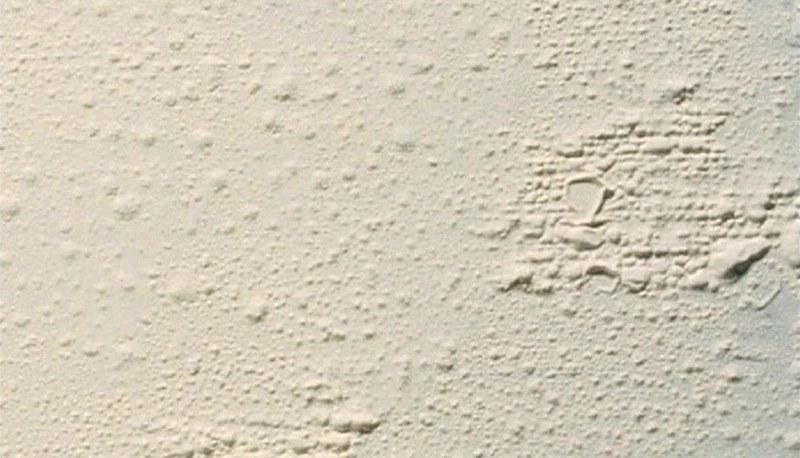
Finishing works are sometimes poorly executed: uneven plaster, low-quality paint application, or tiling mistakes, all of which can reduce the property’s resale value.

Heating and air conditioning systems may be installed incorrectly, leading to leaks or low efficiency and ultimately increasing operating costs.

Ventilation is sometimes insufficient or improperly designed, causing stale air and excessive humidity.

Facade installation errors can include improper fixing, gaps, or the use of low-quality materials, affecting both the building’s appearance and durability.

How to Reduce Risks When Buying Property

  • Technical supervision
    It is recommended to involve an independent engineer who can monitor construction quality and identify potential defects in time.
  • Pre-purchase inspection
    Carry out a detailed inspection of the property and surrounding area. Pay special attention to structural elements, utilities, and the overall quality of finishing.
  • Documentation review
    Carefully examine all permits and ensure the project complies with current standards and regulations.
  • Expert consultation
    Seek professional advice from qualified specialists—their assessment can help you avoid hidden issues and unexpected expenses.

Hinode Checklist for Property Inspection Before Purchase: Key Points to Check (Downloadable Material)

Buying an apartment or house in Cyprus is not just about architecture and coastal views, but also about many nuances that are easy to forget when emotions take over. That is why we have prepared this checklist: a practical tool for independent preliminary inspection. With it, you can calmly walk through the property and check key points step by step — from documents and engineering systems to the facade, finishes, and surroundings. This approach helps you weed out problematic options in advance, notice details for bargaining, and feel more confident during viewings. And when the time comes for a full independent inspection and expert assessment, Hinode will take care of the professional inspection with a photo report and legal analysis.

CHECKLIST FOR SELF-INSPECTION

Available for download in PDF format

Ownership and registration

  • Title Deed corresponds to the property; verification of cadastral data and address.
  • Sale and Purchase Agreement stamped and registered with the Land Registry Specific Performance to protect the buyer.
  • No encumbrances: mortgage, promissory note, seizures, pledges. If there are encumbrances, request a written waiver (waiver of liability or payment) from the bank/creditor before final settlement.

Permits and compliance with the project

  • Town Planning Permit and Building Permit have been obtained; the project complies with the permits.
  • Certificate of Final Approval/Completion (if available) – confirms that the house has been officially commissioned; there are no unauthorized alterations.
  • Energy Performance Certificate (EPC).
  • Certificates for electrical, elevator, and gas systems (if applicable).

Financial and organizational documents

  • Statements confirming no outstanding utility bills or management fees (management committee letter).
  • Zoning of the plot/property: permitted use, building and coverage ratios.
  • For new buildings/off-plan properties: bank guarantees and payment schedule by stages; liability for delays.

II. Financial obligations and regular expenses

What is included in the price

  • Parking, storage room, furniture/appliances, air conditioning.

Transaction fees

  • Stamp Duty, Transfer Fees, VAT (check current rates in advance).

Monthly expenses

  • Utilities + building fees.
  • Capital repair fund (if applicable).
  • No outstanding debts for water, electricity, or garbage collection.

Additional

  • Property insurance and local taxes (if applicable).
  • Payment plan: deposit amount and terms, deadlines, late fees.

III. Physical condition – exterior

Structure and materials

  • Cracks, corrosion of reinforcement, ‘weeping’ concrete (especially near the sea).

Roofing

  • Waterproofing, penetrations, signs of leaks, condition of terraces.

Facades and balconies

  • Cracks, delamination, salt efflorescence.
  • Balconies and railings: rigidity, fastenings.

Windows and doors

  • Double glazing, seals, smooth operation, no backlash or corrosion.

Drainage and slopes

  • Water drainage from the foundation, no flooding of the yard and parking lot.

IV. Interior finish and fixtures

Floors and tiles

  • Cracks, ‘voids’, uneven surfaces.

Walls and ceilings

  • Traces of moisture or mold, quality of joints, fresh ‘masking’ paintwork.

Kitchen

  • Fittings, countertops, outdoor exhaust fan, appliances (serial numbers and warranties).

Bathrooms

  • Shower watertightness, slopes to drains, siphons, ventilation, stable hot water.

Windows and doors inside

  • Porch, seals, mosquito nets.

Security

  • Smoke detectors, alarm system, safe (if stated).

Cabinets and storage systems

  • Condition and capacity. 

V. Utilities and equipment

Electrical

  • Power input, circuit breakers/RCDs, grounding.
  • Functionality of outlets and lighting.

Air conditioning and heating

  • Type (inverter/other), age, noise level, signs of leaks.
  • Service history.

Ventilation

  • Kitchens and bathrooms: exhaust to the outside, check valves.

Water supply

  • Pressure, boiler, solar panels, no leaks.
  • Presence of scale and filtration system.

Sewerage

  • Central network or septic tank, maintenance frequency, odors, riser ventilation.

VI. Ecology and safety

Protected areas and restrictions

  • Nature conservation areas (e.g., Natura 2000), coastal setbacks.
  • What can/cannot be rebuilt or expanded.

Floods and mudslides

  • Traces of past flooding.
  • Drainage condition.

Fire risks

  • Access for firefighting equipment.
  • Mineralized strips (for the private sector).

Seismic safety

  • Year of construction.
  • Compliance with the standards of its time.

Old materials

  • Possible asbestos (roofing, pipes) in old houses.
  • Safe disposal plan.

VII. Photos, measurements, checking expectations

Measurements

  • Areas of key rooms and ceiling heights.
  • Comparison with the floor plan and data from the advertisement.

Orientation and light

  • Sun exposure: overheating in summer.
  • Shadows from neighboring buildings.

Condition recording

  • Complete photo and video record of defects with a Snagging List.

This checklist provides a convenient structure for independent inspection and helps you quickly understand how well the property meets your expectations. However, it remains only a preliminary tool. To eliminate hidden risks and be confident in every aspect—from technical condition to legal clarity—it is worth entrusting the inspection to specialists.

Hinode is your reliable partner in civil construction in Cyprus. We provide comprehensive services: property and contract verification, compilation of defect lists, and construction consulting. In addition, we prepare a detailed report with legal force, which will serve as the basis for both negotiations and the final purchase decision. Everything for your peace of mind and confidence!

Managing Renovation or Construction in Cyprus Remotely from the EU: How Hinode Will Become Your ‘Eyes and Ears’ on Site

Many Europeans dream of owning a home by the sea. Sunny Cyprus attracts not only with its velvety climate and colorful landscapes, but also with tax breaks and the opportunity to have a “second home” in the Mediterranean. However, behind this attractive picture lies an important and sometimes difficult question: how to ensure control over construction or renovation when you are thousands of kilometers away from the property?

DISTANCE HAMPERS CONTROL 

Imagine this situation: you live in Germany, the Netherlands, or France, you have signed a contract with a Cypriot developer, and construction is already in full swing. Everything looks perfect on paper, but in practice, questions arise:

  • Are the materials specified in the project really being used?
  • Who checks the quality of the foundation pouring or window installation?
  • What should you do if the contractor delays the deadline or offers a “cheap alternative” without your consent?
  • How can you avoid the language barrier and endless video calls that don’t give you a real picture of the situation?

These risks are familiar to almost everyone who has tried to manage construction “remotely.” Even if you visit the site a couple of times during the entire period, you are unlikely to notice all the nuances. The result can be disappointing: budget overruns, compromises on quality, or even reworking of work that has already been completed.

HOW TO GET OUT OF THIS SITUATION?

The solution is simple: entrust technical supervision to professionals who act on your behalf and guarantee quality at every stage of the project. Hinode offers a wide range of services and stands out for its experience in remote construction and renovation supervision in Cyprus. Our goal is to be your “eyes and ears” on site to ensure that the entire process goes strictly according to plan.

Regular site inspections

We visit the construction site according to a pre-agreed schedule and check every stage of the work, from pouring the foundation to the final finishing touches. Any deviations from the project are recorded and discussed with the contractor immediately.

Photo and video reports

You receive a complete visualization of the condition of the property by email or messenger. No vague phrases—only accurate information about the work performed, materials used, and upcoming tasks.

Specification control

We ensure that contractors use only the materials specified in the contract and do not replace them without your consent. Everything is done strictly according to the project.

Mediation with the developer

In case of disputes, we negotiate on your behalf, saving you time and relieving you of stressful situations.

Complete transparency

All actions are recorded, and reports are available at any time. You can always see what stage the project is at and how the work is progressing.

SAVE TIME, MONEY, AND STRESS

The main thing our EU clients get is confidence and peace of mind. You can focus on your work, family, or business, knowing that your project in Cyprus is in the capable hands of professionals.

Instead of spending money on numerous trips and experiencing stress during negotiations, you get a finished result: a house or apartment built to a high standard, exactly to the design and within the agreed time frame.

CASE STUDY

One of our clients from Germany purchased an apartment in a new residential complex in Cyprus and wanted to ensure that the developer had completed all the work to a high standard before accepting the property. As the client was abroad, it was impossible for them to be present at the acceptance inspection in person, which could have led to the risk of defects or shortcomings being overlooked.

We organized a complete remote acceptance inspection of the property. A Hinode engineer carefully inspected each room, checked the quality of the finishes, the compliance of the materials used with the project documentation, and the correct installation of the engineering systems. During the inspection, about 80 shortcomings were identified, ranging from minor defects in the finish to more serious discrepancies in the engineering communications that could affect the operation of the apartment.

Each identified shortcoming was recorded in detail in a report with an exact indication of the location, description of the problem, and status of its elimination. We did not simply inform the client, but actively interacted with the developer to ensure that all issues were corrected. All identified errors were corrected at the developer’s expense, which allowed the client to avoid additional costs. This approach ensured that the final result fully complied with the project and high quality standards.

As a result, the client received a ready-to-move-in apartment without compromising on quality, saving a lot of time, money, and stress. He was able to continue doing his business at home, completely trusting Hinode to control the process, and gained confidence that his investment was protected and that the property met all contractual obligations.

HINODE: YOUR RELIABLE REPRESENTATIVE ON SITE

Building or renovating abroad is a serious investment, and it always comes with risks: going over budget, delays, and lower quality. When you live in another country, these risks increase significantly because you cannot personally check each stage of the process. Hinode solves this problem comprehensively. We become your official representative on site and act as a contractor independent of the developer: we supervise all work (including turnkey projects), monitor the execution of the contract, negotiate with the contractor, and provide you with detailed reports. At the same time, we promptly resolve any issues that arise during the renovation process so that the project progresses without delays and in compliance with all quality standards.

Our clients note that the key value is that they feel involved in the process, while being located anywhere in Europe. A house or apartment in Cyprus becomes not a “lottery,” but a well-thought-out and transparent project with a predictable outcome.

get a consultation

Choosing a property in Cyprus or accepting a property from a developer? Our experts will help you to understand all the nuances and provide recommendations on how to interact with. Fill in the form and we will contact you as soon as possible.


    hinode
    Privacy Overview

    This website uses cookies so that we can provide you with the best user experience possible. Cookie information is stored in your browser and performs functions such as recognising you when you return to our website and helping our team to understand which sections of the website you find most interesting and useful.