
Denis Fedosov
Expert in technical supervision and real estate acceptance
Do you live in the EU, the UK, or the US, and are you renovating a property in Cyprus? Learn from a practicing consulting engineer how to protect your investment and get a high-quality result.
Top 5 Defects to Watch for When Inspecting Residential Property in Cyprus
Buying a new home in Cyprus often feels like a guarantee of quality—modern complexes, stylish finishes, and developers’ bold promises. Yet even in premium projects, Hinode engineers regularly find dozens of hidden defects. Developers often rush to hand over properties, lowering quality control, which leaves buyers with apartments that carry future expenses.
Hidden Cracks and Finishing Defects
The most frequent problems include cracks on walls and ceilings, uneven surfaces, and poor-quality plastering and painting. Sometimes everything looks perfect at first glance, but a detailed inspection reveals improper plaster application or missing reinforcing mesh. Over a few months, micro-cracks appear and gradually widen. Moisture penetrates, compromising insulation and leading to mold.
Hinode engineers use laser levels and moisture meters to detect hidden defects and include them in a snagging list—an official record of defects presented to the developer before signing the handover certificate.
Poor-Quality Windows and Doors—What It Means
Cyprus’ sunny climate and high humidity make proper installation of windows and doors crucial. Hinode inspections often uncover misaligned frames, poor sealing, and inadequate soundproofing. Improperly filled joints or missing seals can result in drafts and condensation within months, damaging the window sills.
Additionally, doors are frequently misaligned, don’t close properly, or have incorrectly installed hinges. All of this reduces energy efficiency and leads to repair costs in the first year of occupancy.

Electrical and Plumbing Issues—Hidden Safety Risks
Even in new complexes, errors in electrical and plumbing systems are common. Typical violations include incorrectly wired sockets, weak grounding, overloaded circuits, and leaky pipe connections. Developers sometimes cut costs on cables and fittings, which can result in short circuits or flooding.
Inspecting these systems requires specialized tools such as testers, moisture detectors, and thermal cameras. Hinode specialists perform full diagnostics and document any deviations from the project, allowing buyers to request corrections before making the final payment.
What to Do If Defects Are Found
If defects are discovered after signing the handover certificate, it’s important to act quickly. Cyprus has a warranty period, during which the developer must fix identified issues. However, without documented evidence, getting repairs done can be difficult.
Hinode experts help clients prepare an official report with photos and detailed descriptions of problems. This document can be used in negotiations with the developer or, if necessary, in court. In some cases, specialists can estimate repair costs and help produce an independent budget for reimbursement.
Why It’s Crucial to Document All Defects in the Handover Certificate
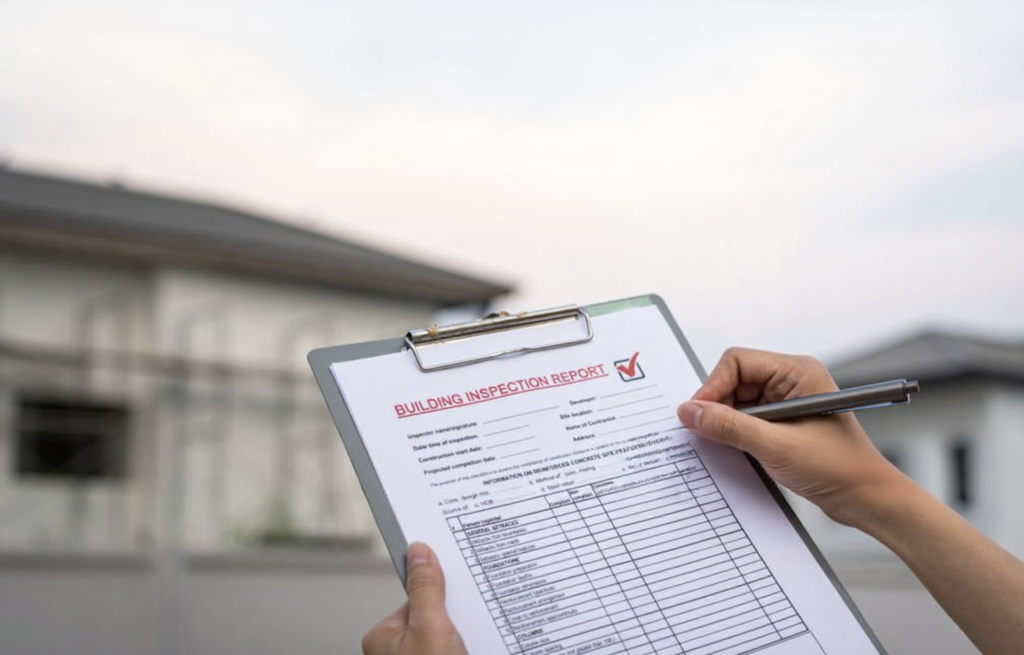
The main rule during handover: do not sign until all defects are documented and resolved.
The handover certificate is a legal point in the relationship with the developer. If issues are not recorded, proving their existence later is nearly impossible.
Hinode guides clients through every stage—from initial inspection to final signing. All defects are recorded in the snagging list, providing the developer with a clear list of required corrective works.
Hinode experts share real-life examples of defects and explain why skipping a professional inspection can cost buyers money.
featured
-
1What differentiates the handover of residential and commercial properties
The property handover process in Cyprus requires an understanding of how the property will be used. In residential apartments, the priority is occupant comfort and health, while in commercial buildings, economic efficiency and system reliability come first. Any deviations in the building’s thermal profile, if unnoticed, can lead to significant future expenses for the owner. […]
-
2How to know during inspection whether mold will appear
The visual cleanliness of walls during a property inspection can be misleading, especially if a cosmetic renovation was done before the sale. Mold is not just an aesthetic issue—it results from serious engineering mistakes that can remain hidden under paint for years. For investors in Cyprus, it is critical to detect biological threats at the […]
-
3Practical examples: What to check during the handover of a residential property
The handover of a property is the final stage of a transaction, where the buyer confirms that the asset is ready for use. In the Cypriot market, where aesthetics often take priority over technical quality, a superficial inspection cannot reveal critical risks. An expert audit should cover not only visible finishing elements but also hidden […]
-
4Practical Examples: What to Check When Accepting Commercial Property
Purchasing commercial real estate is an investment whose profitability directly depends on future operating costs. Unlike residential properties, office buildings and shopping centers in Cyprus are subject to intense эксплуатационные нагрузки. Any flaws in the building’s thermal performance force HVAC systems to operate under strain, increasing electricity costs and accelerating wear on expensive equipment. Key […]
-
5Why Thermal Imaging Is Essential During Property Handover
Accepting a property requires evaluating not only visible finishes but also hidden structural characteristics. Issues with insulation, installation errors in engineering systems, and energy leaks are often impossible to detect without specialized equipment. Thermal imaging diagnostics make it possible to identify such defects at an early stage and prevent future operational problems. What a Thermal […]