
Denis Fedosov
Expert in technical supervision and real estate acceptance
Do you live in the EU, the UK, or the US, and are you renovating a property in Cyprus? Learn from a practicing consulting engineer how to protect your investment and get a high-quality result.
How to Identify Low-Quality Construction Materials During Property Handover
Buying property in Cyprus is often seen as a safe investment. However, construction quality directly affects the lifespan of the property and its maintenance costs. Even in newly built developments, materials that do not meet the declared standards can be found. Identifying them at the acceptance stage helps avoid significant expenses in the future.
Visual Signs of Low-Quality Materials
An initial inspection of the property can reveal obvious violations that are often hidden beneath finishing layers. While construction standards in Cyprus strictly regulate structural parameters, human factors and cost-cutting by developers can lead to serious issues.
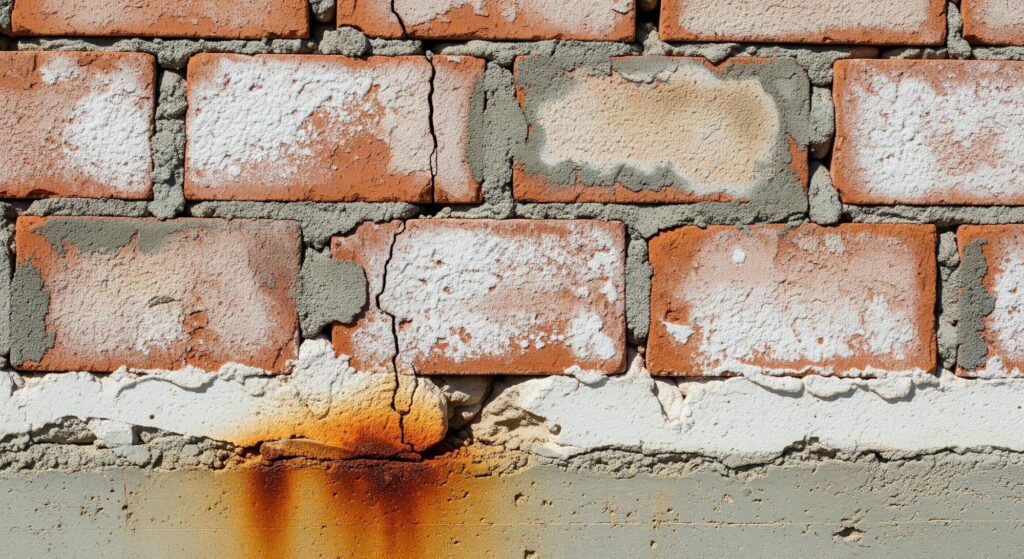
Particular attention should be paid to surface conditions. The presence of cracks—even microscopic ones—may indicate improper concrete mixing or incorrect curing conditions. In coastal environments with high humidity and salt exposure, the quality of the reinforcement’s protective layer is critical. Rust-colored stains on concrete are a clear sign of corrosion inside the structure.
When inspecting surfaces and structural elements, look for the following indicators:
- Efflorescence (white deposits) on brickwork or plaster, indicating the use of salt-contaminated water or low-quality cement
- Uneven color of grout or plaster layers, suggesting inconsistent mixing ratios across batches
- Hollow sounds when tapping tiles, a direct sign of insufficient adhesive or improper installation
- Gaps around window frames, leading to poor sealing and thermal bridging
Any of these signs should prompt a more detailed instrumental inspection, as cosmetic defects often conceal serious engineering flaws.
Common Developer Mistakes That Affect Durability
The durability of buildings in Cyprus depends on how well materials withstand harsh environmental conditions—intense sun, sea salt, and occasional seismic activity. Mistakes in material selection often become apparent only after 2–3 years, when some warranties are already close to expiring.
One of the most critical issues is the use of cheap bituminous materials for waterproofing foundations and terraces instead of modern polymer membranes. In Cyprus’s climate, bitumen quickly loses elasticity and cracks, leading to capillary moisture rising through walls and damaging both structure and finishes.
Another common issue is saving on insulation thickness. Instead of the required 50–80 mm, developers may use only 30 mm—enough to pass formal checks but insufficient for achieving true energy efficiency (Class A).
Incorrect selection of aluminum profiles for panoramic glazing is also a frequent problem. Without proper thermal breaks, windows will transfer heat into the building in summer and lose it in winter, significantly increasing cooling and heating costs. Low-quality sealants in joints dry out quickly under UV exposure, leading to leaks during rainy seasons and damage to interior finishes.
Practical Tips from Hinode Experts
The property acceptance process must be systematic. Relying on a developer’s assurance that “everything is done to the highest standard” is a mistake. A proper inspection is not just a walkthrough—it is a detailed audit of every system and surface.
Inspections should be conducted during daylight, as natural light reveals surface defects most effectively.
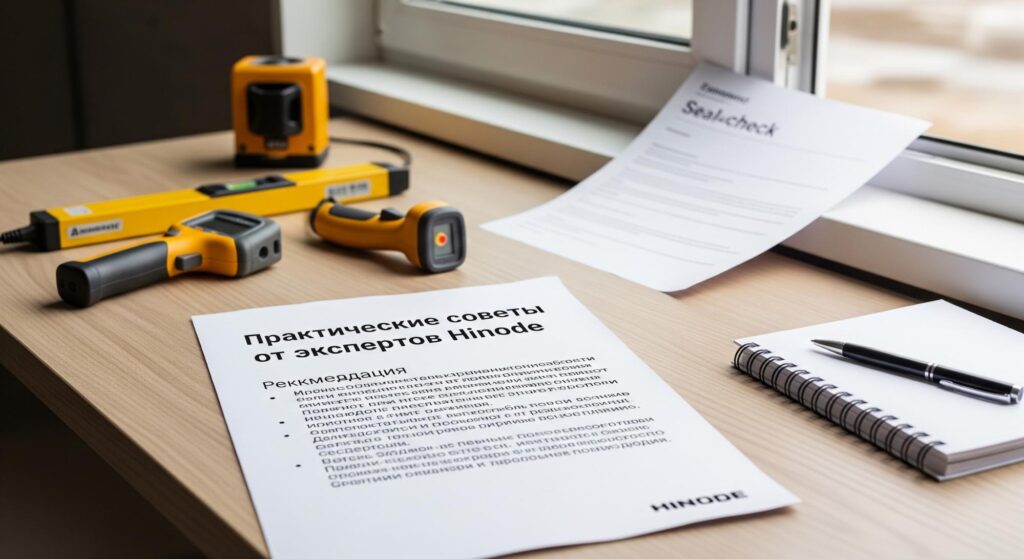
A basic set of tools is essential:
- Laser level
- Thermal imaging camera (especially useful for checking insulation and climate systems)
- Moisture meter
A laser level helps assess wall and floor geometry—deviations greater than 2–3 mm per meter are considered defects. A thermal camera can reveal hidden leaks in underfloor heating systems or poorly sealed window joints that are invisible to the naked eye.
Experts recommend following this inspection checklist:
- Test all engineering systems: water pressure, electrical panel operation, air conditioning drainage
- Inspect windows for scratches and check seal tightness (using a sheet of paper)
- Examine roofs and terraces for proper slope toward drainage systems to prevent water pooling
- Compare installed materials with those specified in the contract
- Check plumbing connections under sinks and bathtubs for hidden leaks
This approach helps create a comprehensive defect list that the developer must address before final handover.
Why It’s Better to Trust Professionals
Many investors try to save money by skipping a technical audit, assuming they can identify issues themselves. However, a professional inspection considers not only aesthetics but also the legal significance of defects.
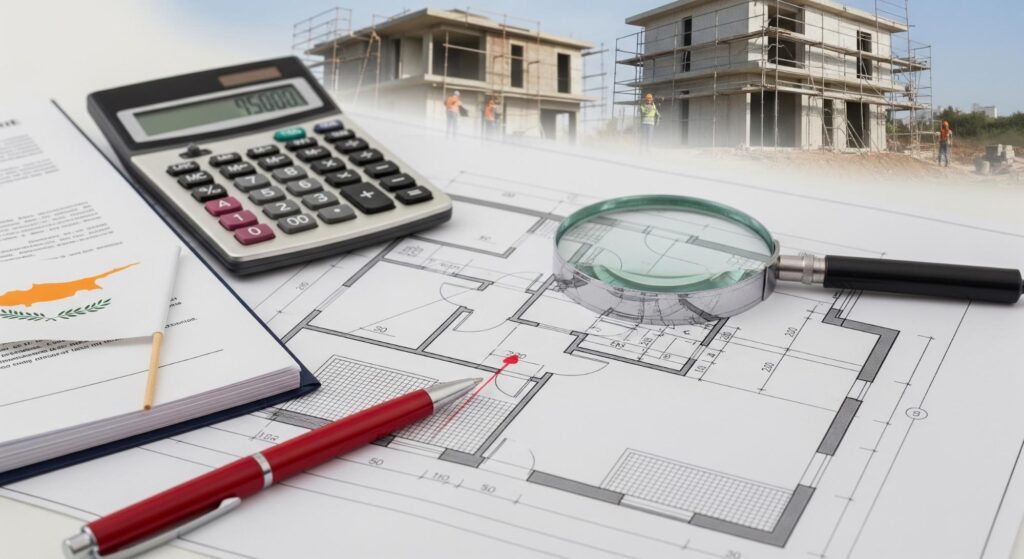
When experts conduct an inspection, they correlate technical findings with the terms of the purchase agreement. This gives the buyer strong leverage in negotiations with the developer. In some cases, systemic issues with materials can justify not only repairs but also price reductions or replacement of specific components.
Without a professional report, such claims are often ignored.
Ultimately, the cost of expert inspection services is a small fraction of the property price, yet it protects against losses that can reach tens of thousands of euros. A professional audit is the only reliable way to ensure that your property in Cyprus is built with quality materials and will perform well for decades without losing its value or functionality.
Hinode experts inspect construction materials, identify risks, and protect your investment.
featured
-
1What differentiates the handover of residential and commercial properties
The property handover process in Cyprus requires an understanding of how the property will be used. In residential apartments, the priority is occupant comfort and health, while in commercial buildings, economic efficiency and system reliability come first. Any deviations in the building’s thermal profile, if unnoticed, can lead to significant future expenses for the owner. […]
-
2How to know during inspection whether mold will appear
The visual cleanliness of walls during a property inspection can be misleading, especially if a cosmetic renovation was done before the sale. Mold is not just an aesthetic issue—it results from serious engineering mistakes that can remain hidden under paint for years. For investors in Cyprus, it is critical to detect biological threats at the […]
-
3Practical examples: What to check during the handover of a residential property
The handover of a property is the final stage of a transaction, where the buyer confirms that the asset is ready for use. In the Cypriot market, where aesthetics often take priority over technical quality, a superficial inspection cannot reveal critical risks. An expert audit should cover not only visible finishing elements but also hidden […]
-
4Practical Examples: What to Check When Accepting Commercial Property
Purchasing commercial real estate is an investment whose profitability directly depends on future operating costs. Unlike residential properties, office buildings and shopping centers in Cyprus are subject to intense эксплуатационные нагрузки. Any flaws in the building’s thermal performance force HVAC systems to operate under strain, increasing electricity costs and accelerating wear on expensive equipment. Key […]
-
5Why Thermal Imaging Is Essential During Property Handover
Accepting a property requires evaluating not only visible finishes but also hidden structural characteristics. Issues with insulation, installation errors in engineering systems, and energy leaks are often impossible to detect without specialized equipment. Thermal imaging diagnostics make it possible to identify such defects at an early stage and prevent future operational problems. What a Thermal […]